
What Happens After an Alarm Goes Off? A Minute-by-Minute Breakdown
Date: June 8, 2026
Read time: 6 minutes
Key Takeaways
- A professionally monitored security system begins responding within seconds of an alarm activation.
- Monitoring centers verify alarms and contact property owners quickly.
- Emergency services can be dispatched even if you’re unavailable to answer.
- Professional alarm monitoring provides protection whether you’re home, at work, or traveling.
- The moments immediately following an alarm activation are often the most important.
When most people think about a security system, they picture the alarm sounding and perhaps a phone notification appearing on their screen. But what happens next?
If your home or business is protected by a professionally monitored security system, a lot is happening behind the scenes in the moments after an alarm is triggered. From receiving the signal to contacting emergency responders, every second matters.
Understanding the process can help homeowners and business owners appreciate the value of professional alarm monitoring and the added peace of mind it provides.
Here’s a minute-by-minute look at what happens after an alarm goes off.
Why Professional Alarm Monitoring Matters
A security camera can record an incident. An alarm can make noise. But a professionally monitored security system adds something equally important: response.
When an alarm is activated, trained monitoring professionals begin evaluating the situation immediately. Their job is to verify what happened, contact the appropriate people, and coordinate emergency assistance when needed.
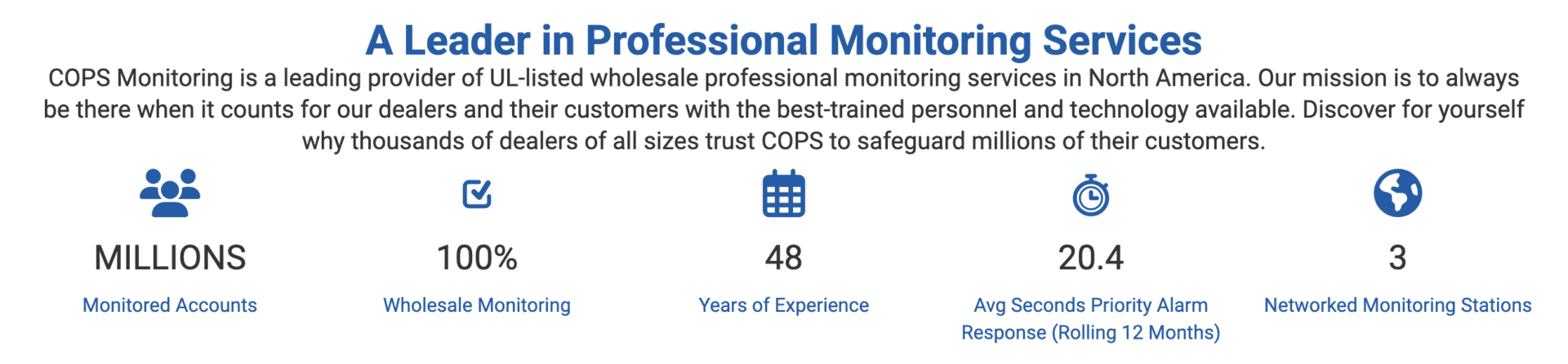
This extra layer of protection can make a significant difference during emergencies, especially when property owners are unavailable or unaware of the situation.
Minute 0: Your Alarm Is Triggered
It all starts with an event.
A door sensor detects unexpected entry. A motion detector identifies movement inside the building. A glass-break sensor recognizes the sound of shattering glass. In some cases, a smoke detector, carbon monoxide detector, or panic button may activate the system.
The moment the event occurs, the alarm panel sends a signal to the monitoring center.
This happens almost instantly.
Minute 1: The Monitoring Center Receives the Alert
Within seconds, the monitoring center receives the alarm signal and begins processing the event.
Information about the property appears on the operator’s screen, including the account details, emergency contacts, and the type of alarm that was triggered.
At this point, trained monitoring personnel begin evaluating the alert to determine the appropriate response.
Not all alarms are treated the same. A smoke detector activation, for example, follows different procedures than a motion sensor or door contact.
Minute 2: Verification Begins
The next step is verification.
Depending on the type of system and alarm event, the monitoring center may attempt to contact the homeowner, business owner, or designated emergency contacts.
Many modern systems also send text messages, mobile app notifications, or automated alerts simultaneously.
Verification helps reduce false alarms while ensuring real emergencies receive immediate attention.
If the alarm can be verified as an accidental activation, emergency dispatch may not be necessary. If the situation appears legitimate—or if no one can be reached—the response process continues.
Minute 3: Emergency Services Are Contacted
If the monitoring center determines emergency assistance is needed, they contact the appropriate authorities.
This may include:
- Local police
- Fire departments
- Emergency medical services
The information provided to dispatchers includes the location, type of alarm, and any relevant details available through the monitoring system.
This rapid communication helps emergency responders arrive with a better understanding of the situation.
Minute 4 and Beyond: Ongoing Monitoring and Communication
The monitoring center’s role doesn’t end once emergency services have been contacted.
Operators continue attempting to reach designated contacts and may provide additional updates as new information becomes available.
If camera systems are integrated with the security system, property owners may also be able to review footage remotely while the situation is unfolding.
Throughout the process, monitoring personnel work to ensure everyone involved has the information they need.
What Happens If You’re Traveling or Can’t Answer?
One of the biggest advantages of professional alarm monitoring is that protection doesn’t depend on your availability.
Imagine you’re on vacation, sitting in a meeting, or simply unable to answer your phone. Without monitoring, an alarm notification might go unnoticed for hours.
With a monitored system, trained professionals continue following established procedures even if they can’t reach you immediately.
This is especially valuable for:
Protection continues whether you’re nearby or hundreds of miles away.
Why a Monitored Security System Is More Than Just an Alarm
Many people assume security systems are primarily about making noise or recording video. In reality, the true value often comes from the coordinated response that follows an event.
Cameras help document what happened.
Sensors detect unusual activity.
Smart devices provide alerts and automation.
Professional alarm monitoring helps ensure someone takes action when it matters most.
Together, these components create a complete security ecosystem designed to protect people, property, and peace of mind.
Ready for Protection That Doesn’t Take a Day Off?
Emergencies don’t follow a schedule. Whether you’re asleep, at work, traveling, or simply distracted by everyday life, a professionally monitored security system provides an extra layer of protection when you need it most.
At Strand Security, we help homeowners and businesses throughout Myrtle Beach, Horry County, Georgetown County, and the Grand Strand protect what matters most with modern security solutions and professional monitoring services through C.O.P.S. Monitoring.
If you’d like to learn more about how monitored security works or review your current system, our team is here to help.

Frequently Asked Questions
How quickly does a monitoring center respond to an alarm?
Most professionally monitored systems transmit alarm signals within seconds, allowing monitoring personnel to begin responding almost immediately.
Will the monitoring center call me first?
In most situations, yes. Monitoring centers typically attempt to verify alarm events by contacting the property owner or designated contacts before dispatching emergency services when appropriate.
What happens if I don’t answer the phone?
If you can’t be reached, the monitoring center follows the emergency response procedures associated with your account, which may include contacting emergency responders or alternate contacts.
Are fire alarms handled differently than burglary alarms?
Yes. Fire, smoke, and carbon monoxide events often follow specific life-safety protocols and may result in a faster emergency response.
Can professional monitoring protect a vacation home?
Absolutely. Professional monitoring is especially valuable for second homes, vacation properties, and rental properties where the owner may not be present.
Is professional alarm monitoring worth it?
For many homeowners and business owners, professional alarm monitoring provides added protection, faster response, and peace of mind that self-monitored systems alone cannot offer.
