
Back-to-School Safety: How to Protect Your Kids at Home and On the Go
Date:
August 18, 2026
Read Time:
10 minutes
Key Takeaways
- Create a safe after-school routine before the busy school year gets underway.
- Smart locks, video doorbells, and home security cameras help parents stay connected while giving kids more independence.
- Every family should have and practice an emergency plan—not just talk about one.
- Cybersecurity is just as important as physical security. Teach children how to stay safe both online and offline.
- Simple conversations, good habits, and smart home technology work together to keep your family safer all year long.
Preparing Your Family for a Safe School Year
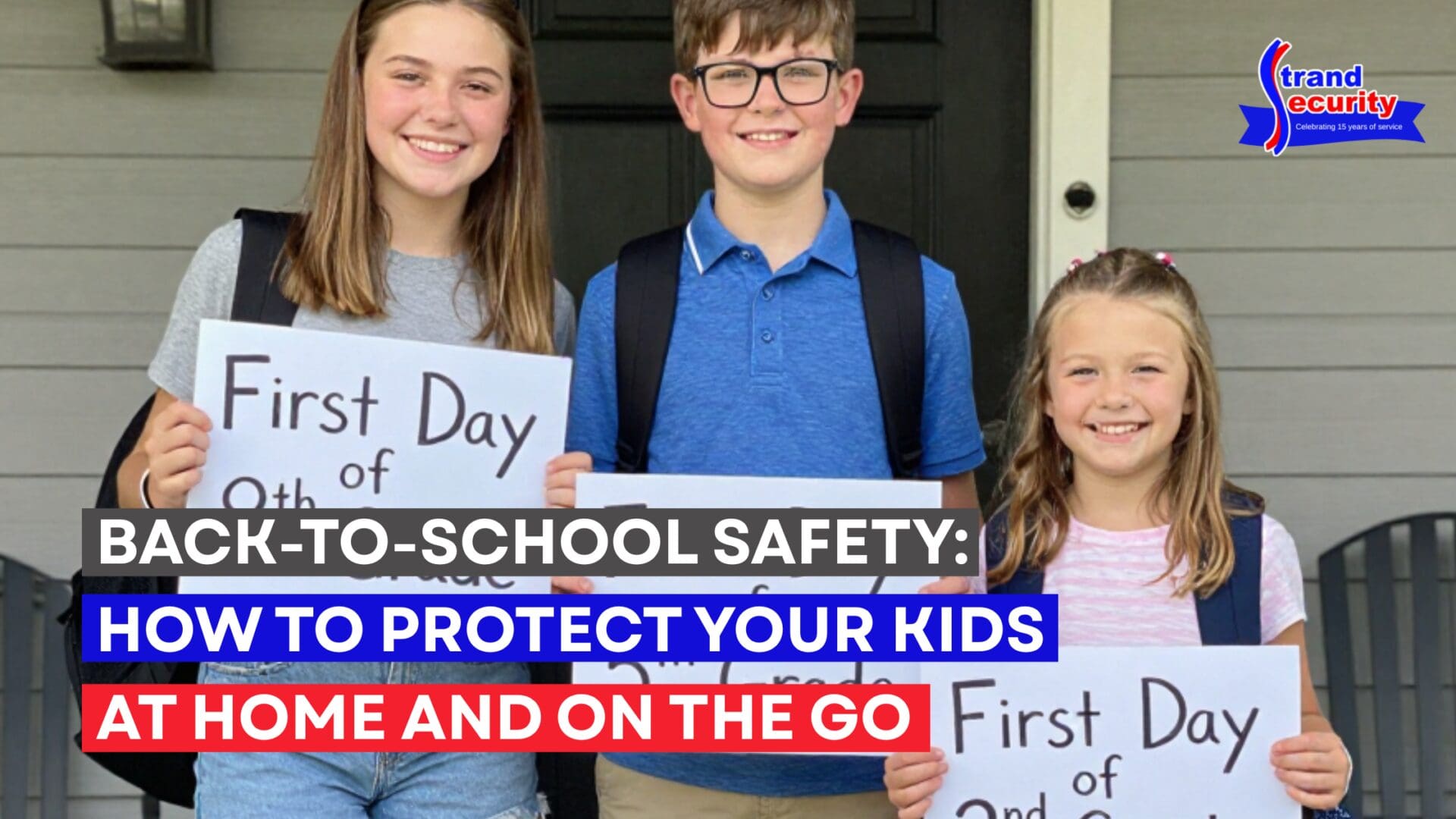
As summer winds down, families across the Grand Strand begin adjusting to new routines. Georgetown County’s modified year-round calendar starts earlier than many districts, while Horry County students head back to school later in August. No matter when your family’s school year begins, the start of a new school year is the perfect time to review the habits and routines that help keep everyone safe.
Today’s families face challenges that didn’t exist a generation ago. Kids walk home with smartphones, teenagers come and go independently, online learning continues after school, and many parents aren’t home when the first child walks through the front door.
Fortunately, keeping your family safe isn’t about living in fear, it’s about being prepared.
A few smart conversations, simple routines, and modern home security technology can help your children become more independent while giving you greater peace of mind.
Why Back-to-School Safety Begins at Home
Back-to-school safety starts long before your children step onto the school bus or walk through the classroom doors. The routines and conversations you have at home help prepare your children to make safe decisions wherever they go.
Children who know what to do in everyday situations are more confident, more prepared, and more likely to react calmly during unexpected situations.
Ask yourself:
- What happens if someone gets home before everyone else?
- What if someone loses their key?
- What if the smoke alarm goes off?
- What if someone knocks on the door?
- What if a stranger contacts them online?
Preparing for these situations today makes tomorrow much less stressful.
Create a Safe After-School Routine for Your Family
A predictable after-school routine helps children feel secure while giving parents confidence that everyone is safe.
Consider creating an after-school checklist like this:
- Lock the front door after coming inside.
- Send a quick text or use a family check-in app.
- Put backpacks and shoes away.
- Complete homework before screen time.
- Don’t invite friends over without permission.
- Never open the door for someone you don’t know.
Simple routines reduce confusion and help children develop responsible habits that last throughout the school year.
How Smart Locks Improve Back-to-School Safety
Smart locks improve back-to-school safety by giving children secure, keyless access while allowing parents to know exactly when family members arrive home.
One of the easiest ways to simplify family life is replacing traditional keys with personalized access codes.
Parents receive notifications when children arrive home, know exactly when doors are locked or unlocked, and can easily create temporary codes for grandparents, babysitters, or trusted neighbors.
Instead of worrying about lost keys or hiding a spare under the doormat, families gain both convenience and security.
How Home Security Cameras Help Protect Your Family
Home security cameras help families stay connected, monitor activity around the home, and provide peace of mind when parents can’t be there.
Whether you’re still at work, running errands, or traveling, cameras and video doorbells allow you to:
- Verify that children arrived home safely.
- Monitor package deliveries.
- Speak with visitors remotely.
- Watch over pets and outdoor play areas.
- Receive alerts when unexpected activity occurs.
The goal isn’t surveillance—it’s confidence.
How to Create a Family Emergency Plan
Every family should have an emergency plan, and just as importantly, they should practice it.
Spend fifteen minutes reviewing your family’s emergency procedures together.
Everyone should know:
- How to call 911.
- When to call 911.
- Two emergency contacts.
- Where flashlights are stored.
- Multiple exits from the home.
- Your outdoor meeting location.
- What to do if the smoke alarm sounds.
- What to do if the security alarm activates.
- How to secure the home if they’re alone.
Treat it like a school fire drill.
Practice once or twice a year so everyone knows exactly what to do.
Back-to-School Cybersecurity Tips for Families
Back-to-school safety doesn’t stop at your front door. Children spend more time online than ever before, making cybersecurity an essential part of every family’s safety plan.
Talk openly about:
- Creating strong passwords.
- Never sharing passwords with friends.
- Never sharing your home’s Wi-Fi password.
- Asking permission before downloading new apps.
- Using two-factor authentication whenever possible.
- Protecting personal information online.
- Recognizing online grooming and suspicious conversations.
- Telling a trusted adult immediately if something online feels uncomfortable.
Teaching good digital habits today helps protect children long into the future.
Family Safety Rules Every Child Should Know
Children benefit from clear, consistent expectations.
Review these safety rules together at the beginning of every school year:
- Always lock the door when you come home.
- Never open the door for someone you don’t know.
- Check in with a parent or guardian after arriving home.
- Ask before downloading apps or creating online accounts.
- Never share passwords or your home’s Wi-Fi password.
- Use two-factor authentication whenever possible.
- Tell a trusted adult if someone online asks you to keep secrets or makes you uncomfortable.
- Always tell the truth. Never lie to protect a friend if someone could get hurt.
- Never go swimming without adult supervision, even if you’re a strong swimmer or a teenager.
- Know your family’s emergency meeting place.
- Know how and when to call 911.
Common Back-to-School Safety Mistakes Parents Make
Even the most prepared families can overlook small details that affect safety.
Some of the most common mistakes include:
- Hiding a spare key outside.
- Forgetting to test smoke detectors before school starts.
- Not updating emergency contact information.
- Assuming children know how to call 911.
- Sharing Wi-Fi passwords too freely.
- Never practicing a family emergency plan.
- Leaving doors unlocked after school.
- Not reviewing online safety and social media expectations.
- Ignoring outdated security camera coverage as children grow older and routines change.
Fortunately, most of these issues are easy to fix with a little planning.
Build a Family Emergency Safety Station
Choose one central location where everyone knows to find emergency supplies.
Include items such as:
- Flashlights
- Extra batteries
- First-aid kit
- Printed emergency phone numbers
- Family emergency plan
- Portable phone charger
- Bottled water
- Basic pet supplies
Having everything together saves valuable time during an emergency.
Small Safety Habits Make a Big Difference
Keeping your family safe doesn’t require complicated technology or expensive equipment.
It starts with conversations.
It grows through preparation and practice.
And it becomes even more effective when paired with smart home technology that helps you stay informed and connected.
At Strand Security, we’re proud to help families throughout Myrtle Beach, Horry County, Georgetown County, and the Grand Strand protect what matters most. Whether you’re interested in smart locks, home security cameras, video doorbells, professionally monitored alarm systems, or complete smart home automation, our team can help you create a safer, smarter home for every member of your family.
Here’s to a happy, healthy, and safe school year!

Frequently Asked Questions
What’s the best way to keep kids safe after school?
A consistent after-school routine, combined with smart locks, security cameras, and regular communication, helps children stay safe and gives parents greater peace of mind.
Are smart locks safe for families?
Yes. Smart locks provide secure, personalized access codes, activity notifications, and eliminate the need for hidden spare keys.
Should my child know the home security alarm code?
That depends on their age and maturity. Older children and teenagers should understand how to arm and disarm the system responsibly and know what to do if the alarm activates.
How often should we practice our family emergency plan?
Review your plan at least once or twice a year, and anytime your family’s routines or living situation changes.
What should parents teach children about online safety?
Teach children never to share passwords, personal information, or your home’s Wi-Fi password. Encourage them to speak up if someone online makes them uncomfortable or asks them to keep secrets.
Can smart home technology really improve family safety?
Absolutely. Smart locks, cameras, video doorbells, lighting, and professionally monitored security systems work together to help families stay connected and better protected.
Continue Reading
- Smart Locks for Families: Give Teens More Independence While Keeping Your Home Secure
- Where Should You Put Security Cameras? A Room-by-Room Guide for Better Protection
- Home Video Surveillance: More Than Just Catching Criminals
